

 www.micoope.com.gt
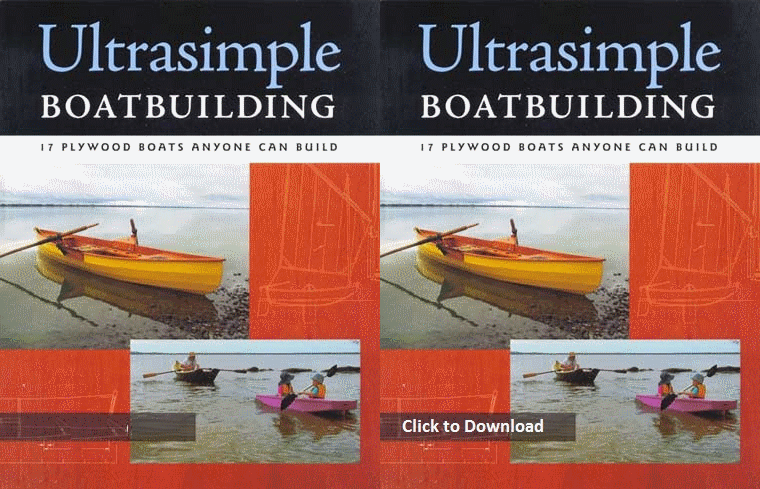
 Introduction: Embark on a DIY Boatbuilding Adventure! Building your own rowboat is a rewarding project that combines craftsmanship, problem-solving, and the thrill of creating something functional and beautiful. This guide provides a step-by-step approach to building a simple rowboat, perfect for beginners and seasoned DIY enthusiasts alike. Let's set sail on this exciting journey!
Step 1: Gather Your Materials and Tools Success starts with preparation. Before you begin, ensure you have all the necessary materials and tools. This will streamline the building process and prevent frustrating delays. Wood: Marine-grade plywood (typically 1/4" or 3/8" thickness) is ideal for the hull. You'll need enough sheets based on your chosen plan. Consider using cedar or other lightweight, rot-resistant wood for trim and seats. Epoxy Resin and Hardener: Essential for waterproofing and bonding the wood. Fiberglass Tape: Used to reinforce seams and create a watertight seal. Fasteners: Copper wire, screws (stainless steel or bronze), or cable ties for temporarily holding the hull panels together during epoxy application. Paint or Varnish: To protect the wood from the elements and give your boat a beautiful finish. Tools: Jigsaw, sander, measuring tape, clamps, mixing containers, brushes, safety glasses, gloves, and a respirator (for epoxy fumes).
Step 2: Select a Rowboat Plan Choosing the right plan is crucial for a successful build. There are numerous free and paid rowboat plans available online. Look for a plan that is beginner-friendly and suits your desired size and style. A simple flat-bottomed or stitch-and-glue design is a good starting point. Ensure the plan includes detailed instructions, dimensions, and cut-out templates.
Step 3: Cut Out the Hull Panels Using the templates provided in your chosen plan, carefully transfer the dimensions onto the marine-grade plywood. Use a jigsaw to accurately cut out the hull panels, bow piece, stern piece, and any other components specified in the plan. Take your time and double-check your measurements to ensure accurate cuts.
Step 4: Stitching the Hull Together This technique involves temporarily joining the hull panels using copper wire, screws, or cable ties. Align the edges of the panels according to the plan and securely stitch them together. This process creates the basic shape of the boat hull.
Step 5: Applying Epoxy and Fiberglass Tape Once the hull is stitched together, apply epoxy resin to all the seams, both inside and outside the boat. Cover the wet epoxy with fiberglass tape, ensuring it is fully saturated with the resin. This creates a strong, watertight bond. Allow the epoxy to cure completely according to the manufacturer's instructions.
Step 6: Removing the Stitches and Finishing the Seams After the epoxy has cured, carefully remove the copper wire, screws, or cable ties used to stitch the hull together. Sand down any rough edges or imperfections along the seams. Apply additional layers of epoxy to fill any remaining gaps and create a smooth, even surface.
Step 7: Adding Reinforcements and Trim Strengthen the hull by adding reinforcements such as stringers (longitudinal supports) and frames (transverse supports). These provide extra rigidity and prevent the hull from flexing excessively. Install trim along the gunwales (top edges of the boat) to protect the edges and add a finishing touch.
Step 8: Installing Seats and Oar Locks Build and install the seats according to the plan. Consider using lightweight wood like cedar for the seats. Attach oar locks to the gunwales, ensuring they are positioned for comfortable rowing.
Step 9: Sanding, Priming, and Painting Thoroughly sand the entire boat, both inside and out, to create a smooth surface for painting. Apply a coat of primer to prepare the wood for paint. Finally, apply several coats of marine-grade paint or varnish to protect the wood from the elements and give your boat a beautiful finish.
Step 10: Launch Your Rowboat! Once the paint or varnish has fully cured, your rowboat is ready to launch! Before taking it out on the water, carefully inspect the boat for any leaks or imperfections. Remember to wear a life jacket and follow all boating safety regulations. Enjoy the fruits of your labor and the thrill of rowing your own handcrafted boat!
Conclusion: A Rewarding Achievement Building a rowboat is a challenging but incredibly rewarding experience. By following these steps and taking your time, you can create a functional and beautiful vessel that will provide years of enjoyment on the water. Embrace the learning process, be patient, and enjoy the journey of bringing your own boat to life!
How To Insert Rows And Columns In Excel
 www.youtube.com
 What Is Row In Math? Definition, Examples, Uses, Facts, 42% Off
www.micoope.com.gt Column Vs. Row: The Ultimate Showdown Of Data Organization!
 eslbuzz.com
0 komentar:
Posting Komentar